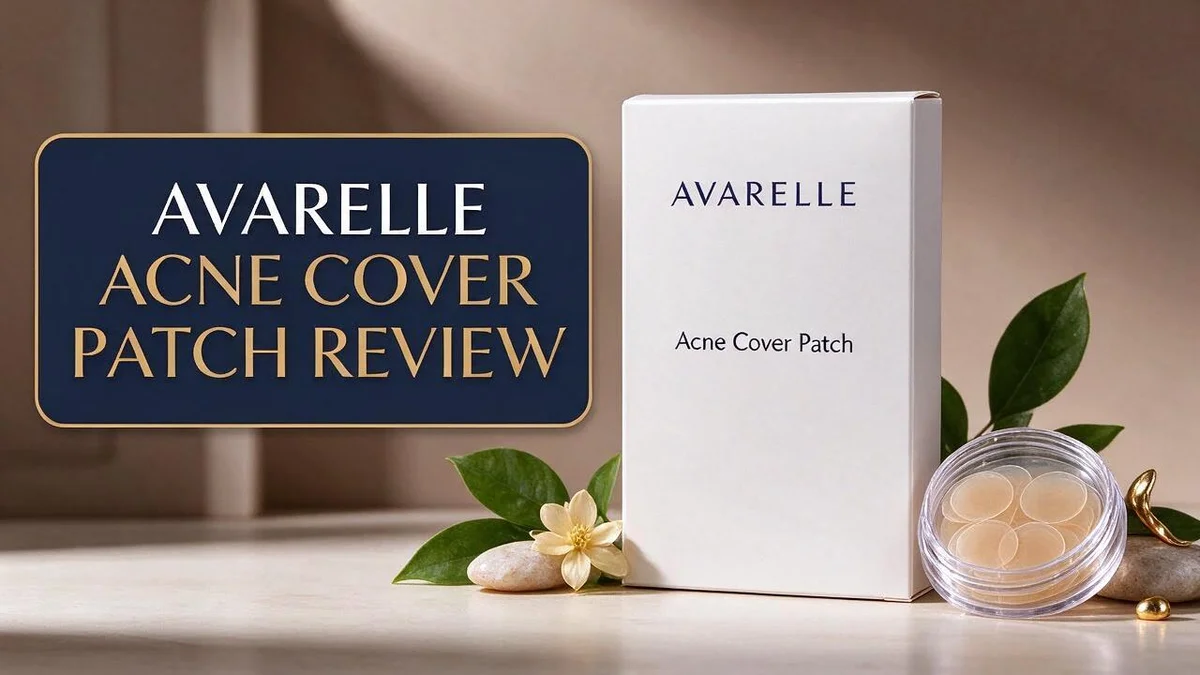
Avarelle Acne Cover Patch Review: Does It Really Work on Breakouts?
Tired of waking up to new breakouts? You are not alone. Many people struggle with stubborn blemishes that seem to appear overnight. Acne cover patches offer a simple way to hide spots and protect them at the same time.
The Avarelle Acne Cover Patch promises a quick fix for busy days. It sticks to the skin and works while you go about your routine. Let’s see if it lives up to the hype.
In this review, we look at how the patch feels, how well it covers redness, and whether it stays put all day. We also share what we liked and what could be better. Keep reading to decide if this patch deserves a spot in your skincare bag.
In a Nutshell
-
Best for surface pimples: Patches work well on whiteheads and visible spots that have come to a head. Deep, painful bumps may need a different approach, so check your skin before you start.
-
Clean skin matters: Wash and dry your face before you apply the patch. A clean surface helps the patch stick better, so it can do its job for longer.
-
Helps stop picking: Many people touch or squeeze spots without thinking. The patch acts as a gentle reminder to leave the area alone, which can protect your skin from extra marks and irritation.
-
Act fast for best results: Apply the patch as soon as you notice a pimple forming. Early care often leads to a smoother healing process than waiting until the spot becomes large and sore.
-
Works under makeup: You can wear concealer or foundation over the patch. Many people like having a discreet option for work, school, or a night out.
-
Keep expectations realistic: A patch supports healing, but it does not replace a full skincare routine. Read the included instructions carefully, and follow the suggested wear time for the best outcome.
Key Ingredients and Materials
Ingredients matter more than many people think. A patch only works as well as the materials inside it. Reading the label helps you know what to expect.
Most acne patches use a soft, absorbent center. This layer pulls fluid from the spot and keeps the area moist. A moist environment can help a blemish look calmer as it heals.
The outer edge uses a gentle adhesive. It should hold firmly without pulling at delicate skin. This matters most on the chin, jawline, and other areas that move often.
Some formulas add active ingredients. Common examples include salicylic acid and tea tree oil. Salicylic acid may help clear pores, while tea tree oil can soothe redness. Each active reacts differently, so test a small area first.
Look closely at the full list. People with sensitive skin should watch for fragrance and alcohol. These ingredients can sting or dry the skin. If you have reacted to a product before, skip anything with those ingredients.
The top layer also deserves attention. A thin, breathable film lets air reach the skin. It also blends better under light clothing. Thick plastic layers can trap heat and feel uncomfortable on warm days.
Thickness plays a role too. Thinner patches feel less noticeable, while thicker ones may hold more fluid. Choose based on how much the spot tends to produce.
Pregnant or nursing people should talk with a doctor before using any active ingredient. Anyone with known allergies should also check with a pharmacist first.
Ingredients do not change the patch’s main job. The patch still acts as a shield. It keeps dirt and bacteria away from the spot while it heals.
Always check the official product listing for the exact formula. Brands sometimes update their recipes. The label on your box is the final word on what it contains. Store patches in a cool, dry place, since heat and moisture can weaken the adhesive over time.
Texture and Application
Texture is the first thing you notice. Once the patch touches your skin, it feels thin and light. Many people forget it is there within minutes.
As the patch dries, the surface turns slightly firm. This change tells you the patch is setting. Try not to poke it during this stage.
Application starts with gentle pressure. Place the center over the spot first. Then press the edges outward with your fingertip. This helps the patch lie flat along your skin.
Smooth out any bubbles. Air pockets can lift the edges during the day. Use a clean fingertip and sweep from the center outward. Never rub hard, because friction can irritate the area.
Cutting the patch can help on tricky spots. Use clean scissors to trim a larger patch into a smaller shape. Small pieces fit around the curve of a nose or along a jawline. Keep the cut edge smooth so it sits neatly.
Watch for lotion nearby. Oily creams can break the seal around the edges. Apply moisturizer to the rest of your face first. Let it sink in, then place the patch on a dry spot.
Sleeping in the patch feels different. Pillows can press on the edges. Choose a clean pillowcase and sleep on your back if you can. Many people find the texture stays calm overnight.
Check the feel every few hours. If the patch feels loose, press it back down. If it feels sticky or stings, remove it and rinse your face. Comfort tells you a lot about fit.
Removal also depends on texture. Wet the edge with warm water and let it soften for a minute. Then lift slowly in the direction of hair growth. This gentle approach protects your skin and keeps the spot calm.
Skin texture under the patch changes too. The area may look smoother once the patch comes off. Keep touching it to a minimum so the surface can settle. Gentle care helps the texture improve over time.
Skin Types and Suitability
Almost every skin type can try an acne cover patch. Your results depend on how your skin behaves each day.
Oily skin often suits these patches well. Extra shine can soften the edges over time, though.
Dry or flaky skin needs extra care first. Flakes can push the patch edges up. Gently lift loose flakes away before you apply the patch.
Combination skin can be tricky. The forehead and nose may feel oily while the cheeks feel dry. Choose a patch size that fits the spot without covering healthy skin.
Sensitive skin needs a patch test first. Stick one on a small area of your jaw or arm for a few hours.
Watch for redness, itching, or burning before you use it on a breakout.
Darker skin tones may notice redness or marks after a patch comes off. Some people see lingering color changes. Gentle removal helps reduce irritation.
Teens and adults both get breakouts. Hormonal spots along the jawline often sit deeper under the skin.
Patches work best on spots that already reach the surface.
Broken or irritated skin should wait. Open cuts, peeling sunburn, or eczema patches are not good spots. Keep the patch away from these areas.
Neck, back, and chest can also work. Hair and sweat may weaken the seal there. Choose a smooth, dry area for the best hold.
Men with beards should be careful. Hair can block the seal near the jawline. Shave the area gently before you apply the patch.
Mature skin can still break out. Thinner skin may feel the patch more, so check comfort during the first hour.
Check your skin type before you start. If a spot does not improve, see a dermatologist for advice. Pick the option that fits your skin and enjoy clearer looking spots.
Top 3 Alternatives
Hero Mighty Patch
Looking for a patch that stays put all day? The Hero Mighty Patch is a hydrocolloid patch that soaks up fluid from a pimple. It is thin and clear, so you can wear it during the day. Many people like that it sticks well under makeup.
Nexcare Acne Patch
The Nexcare Acne Patch is a simple choice for quick spot care. Its clear design blends with your skin. Wear it overnight so it can draw out fluid while you sleep. You can peel it off in the morning and see the difference.
COSRX Pimple Master Patch
The COSRX Pimple Master Patch is a hydrocolloid patch from a brand known for gentle skincare. It works on both open and closed spots. Its thin, discreet feel helps you go about your day. Change the patch when it turns white and full, because that means it has done its job.
Results and Effectiveness
Results from this patch usually appear in stages. Many people see a change within a few hours. Others need a full night before they notice anything.
The most visible shift often comes from the surface of the pimple. Once the top softens, the spot looks smaller and less angry.
Healing beneath the surface takes longer. A patch works best on breakouts that already reach the top of the skin, so expect steady progress rather than instant results.
Spots that appear fresh often respond faster than older, stubborn bumps. Catching a pimple early gives the patch the best chance to do its job.
Track your progress with simple photos. Take one picture each morning in the same light. Side by side, the changes show up more clearly than memory alone.
Many users also notice less picking. When a patch covers a spot, hands stay away. That pause gives the skin room to calm down.
Still, the patch has limits. It cannot stop new breakouts from forming. It also does little for deep cysts that sit under the skin.
Set realistic goals from the start. Give the patch several days on a single breakout. If the spot shows no change after a few uses, try a different approach.
A dermatologist can help when results stall. Persistent or painful breakouts often need a plan that goes beyond a patch. A professional can check the cause and suggest next steps.
Patches fit best as one part of a routine. Pair them with a simple cleanser and a light moisturizer. Consistency matters most, and small gains add up over weeks.
Comfort and Wear Time
Your daily routine shapes how long the patch stays in place. A calm day at home feels very different from a busy day outside.
Sweat is the biggest test for any patch. Workouts, hot weather, and humid commutes can soften the edges faster than you expect.
Try to pat the area dry after exercise. Avoid rubbing it with a towel, because friction can lift the corners.
Hair products need a careful approach too. Sprays, gels, and oils can drift onto the face and reach the patch edges. Keep your hair pulled back when you style it.
Hats and headbands can also brush against the patch during the day. Adjust them gently instead of pulling them down over your forehead.
Makeup can sit on top of the patch, but thick layers may wear down the edges faster. Keep your application light around the area.
Showers and steam need a light touch. Let warm water run over your face, then pat dry. Long, hot showers can weaken the seal over time.
Clothing and face contact matter too. Turtlenecks, masks, and glasses can rub against the patch. Notice where your clothes press most often.
Many people touch their faces without thinking. Try to keep your hands away from the area so the patch stays secure.
Temperature changes can affect comfort. Air conditioning can feel cool on the skin, while a warm room may make the patch feel heavier. Some people feel a faint tightness at first. This sensation often fades after the first hour as the skin adjusts.
Night wear usually feels calmer than day wear. Fewer movements mean fewer chances for the edges to shift.
Plan for a clear wear window. Choose a day with fewer workouts or long outdoor hours for your first patch. This gives you a fair test of comfort.
Comfort grows with practice. Many people find the second or third patch easier to place and wear. Your skin learns what to expect, and your routine becomes smoother.
Pros and Cons
Pros
- Quick to apply in just a few seconds.
- Discreet enough to wear to work or school.
- Easy to pack for trips or a gym bag.
- Creates a light barrier that helps keep your hands off the spot.
- Fits into a short morning routine.
Cons
- Does not address the deeper causes of breakouts.
- Small patches may not cover large clusters of spots.
- Needs fresh dry skin before each use.
- You may need to restock often if you use them daily.
Who Should Buy It
New acne sufferers often feel unsure where to start. This patch suits people who want a gentle, simple first step.
Teens facing their first breakouts may also like the easy approach. Many feel less pressure when the routine stays short.
People with occasional spots before a date or event can benefit too. They can keep a patch in a purse or desk drawer for surprise blemishes.
Mask wearers often deal with irritated spots along the jaw and nose, especially during long shifts. A patch may give those areas a little extra cover.
Shoppers who prefer a minimalist beauty shelf will appreciate the simple design. They can skip extra steps on hectic mornings.
Those who already use strong acne treatments should use caution. Layering a patch over harsh products may irritate sensitive skin.
Very oily skin may make the patch hold less firmly. Blotting the area with a tissue before application can help.
Adults who feel shy about visible spots may find real comfort here. A small patch can calm the urge to hide a blemish with heavy makeup.
Parents may want to keep a few patches in a family kit. Teens can often apply them without help.
Athletes in contact sports should think twice before relying on one. Strong impact can shift the patch in seconds.
Readers who want fast, dramatic changes may feel disappointed. Think of this patch as a helpful tool, not a miracle fix.
Anyone with a sensitive or easily irritated face should test a small area first. Apply it to a small area on the jaw for one day. Wait a few minutes to see if any redness appears.
Many people simply want a quick way to feel calmer about their skin. Small wins like this can build confidence over time.
Overall, this patch suits people who want a simple, low pressure option. Readers with unique skin concerns should check their needs first.
Final Verdict
The Avarelle acne cover patch makes a practical choice for many people. It offers a simple way to handle everyday spots. Still, it works best with clear expectations.
Set realistic goals before you start. Patches cannot clear acne overnight. Most people notice changes after several days of steady use.
Give the trial a clear window. Use it for about two weeks before you judge the result. Write short notes about how the spot looks and feels each day.
Track your progress with a quick daily check. Look at the spot each morning and note any changes in size or color. This habit shows you what works.
Test one patch on a single spot first. This small trial shows how your skin responds. It also shows how well the patch holds during your normal day.
Check the spot after each use. Look for redness that grows or itching that lasts. Stop use if irritation keeps building.
Store the patches in a cool, dry place. Heat and moisture can weaken the adhesive before you open the pack. Keep the packet sealed until you need it.
Many users like the patch as a gentle reminder. When you reach for your face, the patch often stops the urge. Over time, that small pause can break a picking habit.
Many people find nighttime use easier. Your face moves less while you sleep, so the patch faces less friction. Morning use suits people who want coverage at work.
Keep your expectations grounded. The patch helps with comfort and coverage. It does not replace good habits or steady care. Pair it with patience, and it becomes a helpful part of your routine.
Overall, this patch suits people who want a simple option for quick spots. Give it a fair trial, watch your skin closely, and decide from there.
Frequently Asked Questions
Can I wear makeup over the patch?
Yes, many people do. Apply concealer or foundation around the edges so the patch blends in. Dab gently rather than rubbing to keep the top layer from lifting.
How do I remove the patch without irritation?
Peel it off slowly from one edge. Hold the skin with your other hand as you go so the adhesive lifts without pulling. Then wash the area with a mild cleanser.
Can I cut a patch to fit a smaller spot?
Cutting is not a good idea. It can weaken the edges and cause the patch to lift early. Choose a size that matches your spot instead.
Does the patch reduce redness?
The patch covers the spot, so it hides redness from view. It does not calm redness under the surface. Think of it as a cover, not a fix.
Can I use the patch on my back or chin?
Yes, the patch works on other areas too. Make sure the skin is clean and dry first. Hair in the area may make the patch hold less firmly.

Hello, I’m Ava Davis, the founder and curator of Lovely Beauty. As a passionate advocate for self-care and beauty, I created Lovely Beauty as a haven for like-minded individuals to explore, learn, and grow. On Lovely Beauty, you’ll find a treasure trove of beauty tips, tricks, and inspiration, all designed to help you cultivate a more loving and compassionate relationship with yourself.