Rael Microcrystal Spot Cover Review 2026: Is It Worth Buying?
Breakout spots can show up at the worst possible time. A small bump appears overnight, and suddenly you want it gone fast. That is where a good pimple patch can help.
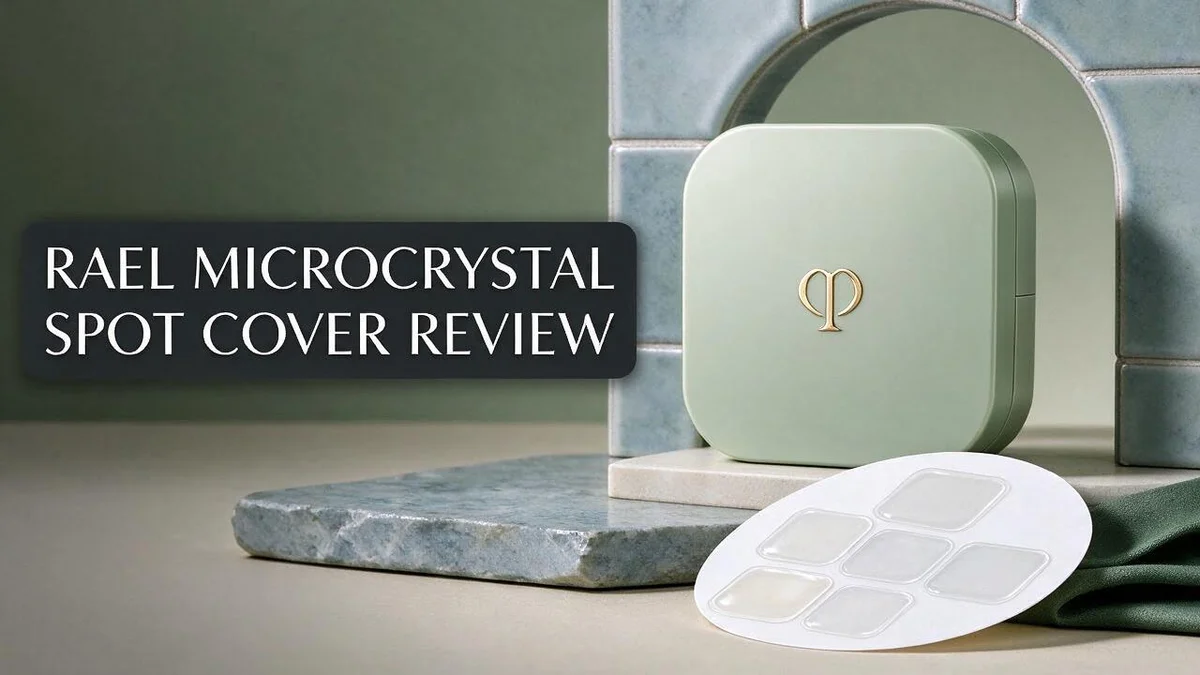
The Rael Microcrystal Spot Cover is a hydrocolloid patch with tea tree oil. It sits on clean, dry skin and works for 4 to 8 hours. Many people wonder if it really does the job.
Rael markets this option for early stage and under the skin pimples. Each 9 count pack includes 14 mm patches. It is also marketed as hypoallergenic and safe for all skin types.
So, does it live up to the hype? Let’s take a closer look at what this patch offers, who it suits, and where it might fall short.
In a Nutshell
-
Simple daily routine: Clean and dry your skin first. Then place one patch over the spot and leave it on for 4 to 8 hours.
-
A clear visual signal: The patch turns white as it absorbs buildup from the spot. You can see when it has done its work.
-
Gentle for sensitive skin: It does not dry out the skin, and it is marketed as hypoallergenic for all skin types.
-
Flexible pack sizes: Shoppers can choose a 9 count pack with 14 mm patches, or pick a 6 count or 20 count bundle.
-
Lean ingredient list: One reviewer says the Rael Microcrystal Spot Cover works well without niacinamide, which suits people who prefer fewer extras.
-
One thing to note: A reviewer reports that some patches can get gooey, so check how they feel before wearing them to work.
Key Ingredients

- POST-BLEMISH CARE - Helps improve the look of post-blemish dark spots with a blend of brightening ingredients for visibly clearer skin.
- MICROCRYSTAL TECHNOLOGY - 240 ultra-fine microcrystals gently dissolve to help deliver key ingredients to skin for smoother, even-looking skin.
Last update on 2026-11-01 / Affiliate links / Images from Amazon Product Advertising API Some of the links on this website are affiliate links, which means that at no additional cost to you, I earn a commission if you click through and make a purchase. I only recommend products and services that I believe will add value to my readers. Thank you for your support!
Ingredients matter more than most people expect. A short, simple list often means fewer surprises on your skin.
The patch uses a hydrocolloid base. This soft material forms a gel that keeps the spot moist while it works. Hydrocolloids also help protect the area from touch. A barrier like this can keep fingers and dirt away, and that protection may reduce the urge to pick, which can slow healing.
Tea tree oil plays a supporting role. Many people already know it as a natural option for blemish care. It supports the patch, but it cannot replace a full skin routine.
Notice what the formula leaves out. It skips niacinamide, a common ingredient in acne products. Some people prefer fewer active ingredients because they can cause less irritation.
Many acne treatments contain strong actives like benzoyl peroxide or salicylic acid. These can dry or sting the skin. A patch works differently. It sits on top of the spot instead of spreading across the whole face.
Hypoallergenic is a helpful label, but it is not a promise. Nobody reacts the same way to every ingredient. Do a small patch test on your inner arm before you use it on your face.
Read the label before you buy. Look for a short ingredient list. Check for fragrance if your skin reacts easily.
Ingredient lists also help with planning. People with dry or sensitive skin often feel more comfortable with fewer extras. Simple formulas make it easier to spot a reaction if one happens.
Keep a simple log if you use new products. Write down the product name and how your skin looks each day. This habit helps you find what works.
Patience matters too. Most spot care takes a few days to show a clear change.
Overall, the ingredients look gentle and focused. They suit people who want a simple option for one spot. Pair the patch with a calm daily routine for the best results.
Texture and Application
Texture can make or break a spot treatment. A patch that feels comfortable is much easier to wear for hours.
Hydrocolloid patches usually feel thin and flexible. Their soft layer can bend along the curve of a chin or nose.
Start with one spot at a time. The 14 mm size works well for a single breakout.
Press the edges first. Sealing the border helps the patch stay put while you move through your day.
Use gentle pressure in the center. Pressing too hard can irritate the spot, so a light touch is enough.
Try not to touch the patch once it sits in place. Constant handling can lift the edges and let dirt slip underneath.
Wear it under light makeup. Many people apply concealer around the patch rather than over it.
Plan for four to eight hours of wear. Many people leave it on overnight or during a long workday.
Oily skin can make edges lift sooner. Gently blotting the area before placing the patch can help it stick.
Timing matters for the best results. Apply the patch at night when your face rests and there is less contact with pillows and hands.
Keep the area clean between uses. Wash your hands before touching the spot and cleanse your face before each new patch.
Removing the patch matters too. Peel it off slowly, keeping the skin flat, to avoid tugging on fresh skin.
Watch how your skin reacts after removal. Mild redness that fades within a short time is normal, but lasting irritation means it is time for a break.
Store extra patches properly. Keep unused patches sealed and dry so they stay ready for the next breakout.
Keep a small stash on hand so you can respond fast to new spots.
Check how the patch feels after a few hours. A comfortable fit usually means the patch is sitting well on your skin.
Good texture and simple steps make the whole experience smoother. Small habits help the patch do its job with less fuss.
Results and Effectiveness
Results with the Rael Microcrystal Spot Cover depend on timing. The patch works best on a spot that is just starting to rise. Early action gives the best chance for a quick change.
Watch the color. The patch turns white as it absorbs fluid and buildup from the spot. Many people treat that change as proof that the patch is doing its job.
The brand says the patch can reduce inflammation and speed up healing. These claims come from the maker, so judge the results for yourself.
Surface spots may look better sooner than deeper bumps. Deeper pimples under the skin often need more patience, and a patch alone may not clear them fast.
A simple way to track progress is to take a photo each morning. Compare the spot in good light after a few days. Small changes add up over time.
Results can vary from one breakout to another. A patch that works well on one pimple may do less on another. Keeping notes on each spot helps you spot patterns.
Keep your hands away from the spot. Picking can slow healing and leave marks behind. The patch also acts as a reminder to leave the area alone.
Results often look clearer after the first full day. Give the patch a fair chance on each spot before you switch products.
Hydrocolloid patches work mostly by keeping the area covered and moist. This setup helps the skin heal in a calm space. Overall, the patch suits people who want a simple, visible result.
No clear success rate appears in the research, so set realistic goals. Expect a gradual change rather than an overnight fix. Patience usually pays off more than quick fixes.
Compare the results with other popular options before you decide. Microdot Pimple Patches, Choice Good Molecules Pimple Patches, and Hero Cosmetics Mighty Patch Original Nighttime are common choices. Each one offers a similar hydrocolloid design.
If a spot gets worse or becomes very painful, see a doctor or skin specialist. A patch cannot replace professional care for severe or spreading breakouts.
Top 3 Alternatives
Looking for a different option? These three patches are popular choices for spot care.
Hero Mighty Patch

- The Early-Stage Blemish Patch: Micropoint for Blemishes zeroes in with 395 Micropoints so your skin looks clearer.
- Ingredients Matter: Salicylic Acid, Sodium Hyaluronate, Niacinamide + Willow Bark work together to target early-stage blemishes.
Last update on 2026-06-09 / Affiliate links / Images from Amazon Product Advertising API Some of the links on this website are affiliate links, which means that at no additional cost to you, I earn a commission if you click through and make a purchase. I only recommend products and services that I believe will add value to my readers. Thank you for your support!
The Hero Mighty Patch is a thin, clear patch that sits flat under hair and makeup. It absorbs fluid from breakouts and helps keep the area clean.
Many people use it for overnight care. It stays in place while you sleep, so you can wake up with less irritation.
COSRX Pimple Master Patch

- The Original Pimple Patch: This 1st generation patch is loved by many over the years, due to its effectiveness. Highly raved in the media as well - a testimonial to its effectiveness.
- Quick & Easy Treatment: This A.D.F dressing hydrocolloid patch protects the concerned area effectively and creates a moist environment, which makes the healing process faster. Don’t squeeze or POP your pimples anymore! This patch will do it for you, without the PAIN!
Last update on 2026-11-01 / Affiliate links / Images from Amazon Product Advertising API Some of the links on this website are affiliate links, which means that at no additional cost to you, I earn a commission if you click through and make a purchase. I only recommend products and services that I believe will add value to my readers. Thank you for your support!
The COSRX Pimple Master Patch uses a similar hydrocolloid design. It contains tea tree leaf oil and centella, which many users say help calm redness.
This patch works well for single spots. You can wear it during the day or at night, and it is small enough to fit on most blemishes.
Nexcare Acne Patch

- DISCREET LOOK: Nexcare Thin & Transparent Acne Patches are lightweight, comfortable, and see-through, you’ll hardly know they’re on.
- EASY TO APPLY: The red applicator tab makes it easy to lift the acne patch from the liner and apply it to the blemish without touching the adhesive, minimizing dirt and grease transfer.
Last update on 2026-11-01 / Affiliate links / Images from Amazon Product Advertising API Some of the links on this website are affiliate links, which means that at no additional cost to you, I earn a commission if you click through and make a purchase. I only recommend products and services that I believe will add value to my readers. Thank you for your support!
The Nexcare Acne Patch offers a simple and gentle option. It has a clear, thin design that blends easily with your skin.
It works best on small pimples that have come to a head. Many people find it easy to apply, and you can replace it once it looks full.
Skin Types and Suitability
Every skin type reacts a little differently to acne care. This patch suits some skin types better than others. Here is a closer look at how it may fit your routine.
Oily skin often leads to more frequent breakouts on the face. Because the patch draws fluid from a spot, many people with oily skin find it helpful. Extra oil can loosen the edges, so press them down firmly after a quick wipe.
Dry skin needs a gentle approach. Flaky or tight areas may cause the edges to lift sooner. Let a thin layer of moisturizer dry fully around the spot before placing the patch.
Combination skin can be one of the easiest matches. Use the patch on the oilier zones, such as the chin or nose, and leave drier cheeks alone. This approach keeps your routine simple and avoids over-drying the rest of your face.
Sensitive skin calls for a little caution. Test a single patch on a small area first. If redness or itching appears, remove it and stop use until you check with a dermatologist.
Teen skin often gets its first pimples during puberty. Small, discreet patches can feel less noticeable at school or during sports. Young users should still ask a parent or guardian before trying new products, since skin care needs can differ widely.
Acne-prone adults with occasional flare-ups may prefer to use the patch as needed rather than every day. This flexibility helps people who only break out around stress, travel, or hormonal changes.
Finally, one reviewer describes a gooey feel after wear. People who dislike sticky textures should try the patch on a less visible spot first. Choosing the right fit for your skin makes the patch work better and feel more comfortable.
Pros and Cons
Pros
– Non-drying, so it may suit skin that feels tight easily.
– Marketed as hypoallergenic, which helps people with reactive skin feel more at ease.
– A reviewer says it works without adding niacinamide to your routine.
– It is marketed for under-the-skin pimples as well as early-stage ones.
– Easy to add to a simple daily skincare routine.
Cons
– One reviewer says the texture can feel gooey after wear.
– Large or deep breakouts may need more than a single patch.
– The research shares few cons, so long-term feedback is limited.
– Results may vary from one person to another.
Who Should Buy It
This patch suits people who get an occasional single bump. Someone who spots one new pimple can use it right away. The patch offers a simple step that takes only seconds.
Students and busy professionals often like this kind of quick care. A patch can go on before class or a morning meeting. It needs no complicated steps, so it fits into a hectic day.
People who often touch their face may benefit most. The patch works as a visual reminder to leave the spot alone. Many people find that a covered bump is harder to pick at.
Anyone preparing for a big day can also try it. A small spot can feel stressful before a photo or event. Covering the bump can help you feel more relaxed while the skin rests.
Parents can also help teens build good habits. A patch gives teens a clear, easy step to follow. Showing them how to apply it on clean, dry skin can build confidence.
Daily users can keep one on hand. Keeping a pack in a bag or drawer makes it easy to grab one fast. Having it ready can help people act quickly when a new spot shows up.
Shoppers who want a stronger plan should look elsewhere. People with frequent, widespread breakouts may need more help than a patch offers. A skin doctor can suggest treatments that fit larger concerns.
Those who like to compare options have plenty of choices. Microdot Pimple Patches, Choice Good Molecules Pimple Patches, and Hero Cosmetics Mighty Patch Original Nighttime are other popular picks.
Looking at each one side by side can help shoppers find the best match for their skin.
Readers who want realistic expectations will do well here. Results change from person to person, so patience matters. The patch works best as one simple step in a steady routine.
Final Verdict
The Rael Microcrystal Spot Cover is a solid pick for targeted spot care. It does its main job well and keeps things simple for everyday use.
The hydrocolloid design does the heavy lifting. The patch turns white as it absorbs buildup, which gives you a clear visual cue. The 14 mm size covers most single bumps with room to spare.
Overall, this product earns a place in many routines. You apply it to clean, dry skin and let it work for several hours. The patch comes in 6-count, 9-count, and 20-count packs, so you can choose a size that fits how often you need it.
Think of it as a first response to a fresh bump. It fits best as a targeted tool rather than a full treatment plan. Pair it with your regular cleanser and moisturizer for the best results.
Keep your expectations realistic, though. A single patch cannot erase deep or widespread acne. Larger breakouts may call for more than one patch or a conversation with a dermatologist.
Shoppers often compare this option with Microdot Pimple Patches, Choice Good Molecules Pimple Patches, and Hero Cosmetics Mighty Patch Original Nighttime. Most rivals share a similar hydrocolloid approach. Your choice may come down to how each patch feels and how well it fits your daily habits.
A quick test helps, too. Apply one patch to a small area first. This step shows how your skin responds before you commit to a full pack.
In short, this patch offers simple, gentle help for single spots. It works best when you use it for the right job. Give it a try, then see if it earns a spot in your routine.
Frequently Asked Questions
How do I apply the Rael Microcrystal Spot Cover?
Start with clean, dry skin. Press one patch over the spot and smooth the edges with your fingertip. Leave it on for 4 to 8 hours, so the patch has enough time to work on the spot while you go about your day.
How will I know the patch is doing its job?
Watch the color of the patch. It turns white as it absorbs buildup from the spot. This change shows that the hydrocolloid material is pulling fluid from the area, which is a helpful sign that it is working.
Which pack size should I choose?
The patch comes in a pack of 9 with 14 mm patches. It is also sold in 6 count and 20 count bundles. A smaller pack suits someone who gets an occasional bump, while a larger bundle works well for people who want a spare stash at home or in a bag.
What should I do if my skin reacts?
Remove the patch right away if you feel burning, itching, or rising redness. Wash the area with a gentle cleanser and pat it dry. If the irritation lasts or gets worse, speak with a doctor or dermatologist before you use another patch.
Is this patch a good fit for every breakout?
The patch works best on single, visible spots that come up on their own. It is less useful for wide clusters that spread across the forehead, chin, or cheeks. For those areas, a different plan may bring better results over time.

Hello, I’m Ava Davis, the founder and curator of Lovely Beauty. As a passionate advocate for self-care and beauty, I created Lovely Beauty as a haven for like-minded individuals to explore, learn, and grow. On Lovely Beauty, you’ll find a treasure trove of beauty tips, tricks, and inspiration, all designed to help you cultivate a more loving and compassionate relationship with yourself.