
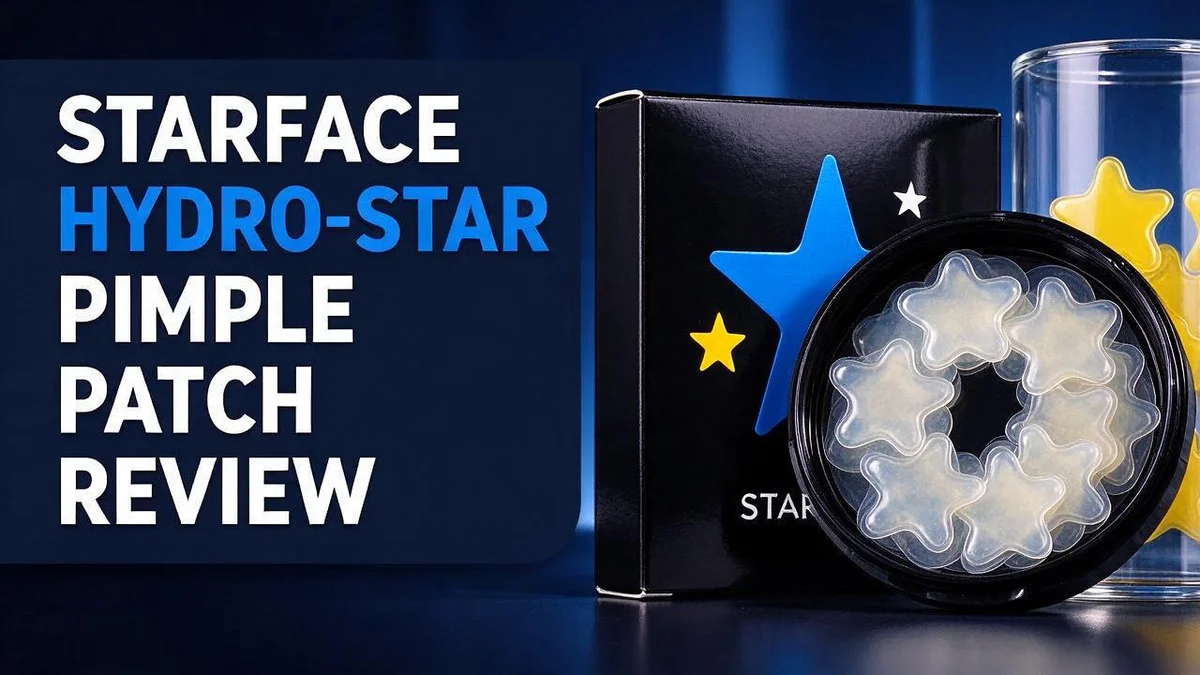
Starface Hydro-Star Pimple Patch Review: Ingredients, Results, and Verdict
Breakouts love to show up at the worst possible moment. A big meeting or a special night out can feel stressful with a fresh pimple on your face.
Many people reach for quick fixes. Some work well, while others leave skin dry or irritated. That is why so many shoppers look for a patch that actually does its job.
Starface is a popular name in acne care. Its Hydro Star pimple patch promises a clear and simple way to treat spots overnight. But does it really work?
In this review, we will look at how the patch feels, how it performs, and who it suits best. Let us dig into the details together.
In a Nutshell
-
Hydrocolloid material does the heavy lifting here. It pulls fluid from the spot and helps the bump look flatter by morning. Many people enjoy seeing visible change so quickly.
-
A clear design lets you wear the patch during the day. It blends in under your everyday look without drawing attention.
-
The gel center creates a moist space around the blemish. This calm setting can help the spot heal while the rest of your skin stays protected from picking.
-
Overnight wear works best for most users. Sleep keeps the patch in place, so you do not need to fuss with it during the day.
-
Skin type matters a lot. People who deal with oily skin or frequent breakouts often notice the most change over several nights of regular use.
-
Patience pays off with this product. Give the patch time to work, and avoid judging results after just one application.
Key Ingredients
Ingredients shape how a patch behaves on your skin. Many shoppers skip the label, but it tells you a lot. Reading it first helps you know what you are putting on your face.
Hyaluronic acid is one ingredient that stands out. It is known for holding moisture in the skin. Dry skin can make a blemish look redder and feel tighter, so this ingredient helps keep the area comfortable.
Comfort matters more than many people expect. A calm base can reduce the urge to pick at a spot. Picking often leads to more redness and slower healing.
Simple formulas often work well. A shorter ingredient list usually means fewer possible irritants. This matters when your skin already feels stressed from a breakout.
Fragrance can bother some skin types. If your skin reacts easily, look for a fragrance free label. Your skin will thank you for the extra care.
The adhesive matters too. A gentle adhesive holds the patch in place without tugging at the skin. Strong pulling can irritate the area and disturb the healing process.
Always check for allergies before you apply. Test a small area first and wait a little while. This quick step protects your skin from surprises.
Read the full label each time you buy a new box. Formulas can change over time, and a quick check keeps you informed. Knowing what you use builds trust in your routine.
Ingredients will not fix every breakout alone. They work best with clean skin and steady habits. Pair the patch with a gentle cleanser and a light moisturizer for the best results.
Knowing the ingredients helps you set clear expectations. You can decide whether this patch fits your skin and your daily routine. That knowledge makes your choice easier and more confident.
Texture and Application
Texture is the first thing you notice. The Starface patch feels soft and thin, almost like a sheet of jelly. It bends easily, so it sits well on curved areas.
Start with clean, dry skin. Wash your face and pat it dry first. Oil or lotion can block the edges from sticking.
Peel the patch from its backing with care. Hold it by the edges so your fingers avoid the middle. Oils from your skin can weaken the surface.
Place the center over the blemish first. Then press the outer edges down slowly. This method pushes out air bubbles and keeps the patch flat.
Smooth the edges with a gentle touch. Avoid rubbing or stretching your skin. Stretching can lift the edges within a few hours.
Around the nose and chin, the patch may need extra help. Fold a small corner inward and press it again. This trick helps the patch follow your face shape.
Next, apply gentle pressure for about thirty seconds. Use the pad of your finger in small circles. Warmth from your touch helps the material settle.
Watch for lint or fuzz. Tiny fibers may cling to the surface after you peel the backing. Brush them away before you place the patch.
Makeup wearers can apply foundation around the patch, not over it. Keep powder light near the edges. Heavy product can make the patch slip.
Hair can catch on the edges too. Tuck long strands behind your ears before you apply. This small step stops tugging when you move.
When you remove the patch, lift one edge slowly. Pull toward the blemish, not away from it. This motion reduces stinging and protects your skin.
Think about your daily routine. Test how the patch moves when you talk or smile. Check the edges again after a short walk.
Skin Types and Suitability
Who gets the most from this patch? Many people with occasional breakouts find it a handy helper. It works best on spots that have already formed a head.
Oily skin can make the edges lift faster. Blot away extra shine with a tissue before you start. Then press the edges firmly for a moment.
Dry skin needs a little extra care. Flaky patches around a spot can lift the edges. Apply a gentle moisturizer to the surrounding skin, and let it sink in first.
Sensitive skin deserves extra caution. Redness, stinging, or burning can appear within a few hours. If that happens, stop wearing the patch and rinse the area with lukewarm water.
Combination skin can be the trickiest type. The Starface Hydro-Star patch may stick well on a dry cheek but slip on an oily forehead. Choose spots that sit on similar skin, and check the edges often.
Teens often reach for pimple patches first. Their skin tends to produce spots in clusters. Use one patch per spot instead of covering a large area with one sheet.
Adults with hormonal breakouts may notice a different pattern. Deep cysts under the skin rarely come to a head. A patch cannot reach those spots, so a dermatologist may offer better options.
Skin with open wounds or broken skin should skip the patch. Picked spots, cuts, and raw areas need time to heal. Wait until the skin closes before you try a patch.
Darker skin tones may show marks after a breakout. Keeping your hands away from the spot can help limit picking, which often causes those marks.
Your skin type shapes the outcome. Look at your skin honestly before you buy. A quick check can set the right expectations from the start.
Top 3 Alternatives
If you want other options besides the Starface Hydro-Star patch, these three are worth a look. Each one works well for everyday breakouts.
Hero Mighty Patch
This patch is thin and clear, so it sits nicely under makeup. It uses hydrocolloid material to soak up fluid from a pimple. Many people like that it comes in different sizes, so they can cover small spots or larger ones. You can wear it during the day without drawing much attention. It works best on blemishes that have already come to a head.
COSRX Pimple Master Patch
This patch includes tea tree oil, a popular ingredient in many skin care routines. It is also made with hydrocolloid, which helps keep the spot covered and clean. It feels light and stays in place for most of the night. Some people choose this option when they want an extra step for irritated skin.
Peace Out Acne Patches
This brand focuses on simple ingredients and a clean, easy design. The patches are soft and discreet, so they blend in with the skin. They are a good choice for anyone with sensitive skin who wants a gentle option. Like other hydrocolloid patches, they work best when you leave them on for several hours. Try one on a new spot first to see how your skin reacts.
Results and Effectiveness
Results can show up quickly, but timing varies. Many people notice the bump looks smaller after a few hours of wear. Most patches work best when you leave them on for the full recommended time.
Think of the patch as a helper, not a magic fix. It pulls fluid from the spot and creates a flat, protected surface. That protection keeps fingers away, which often helps the area heal with less redness.
Whiteheads and small surface pimples usually respond best. Deep, painful bumps under the skin may take longer, and they may not flatten at all. Watch how the blemish changes from day to day.
Give the patch a few days of steady use. Some blemishes need a couple of nights to look their best. Stick with one patch per spot so you can judge the outcome fairly.
Keep a simple photo log. Take one picture each morning in the same light. Side by side, the changes often show more clearly than your memory does. This habit also helps you spot slow progress that feels hard to see.
Redness often fades before the bump fully disappears. Many readers say the spot looks calmer by the next day. Still, every skin reacts in its own way, so results differ from person to person.
Expect a pattern, not a perfect outcome. Some patches work well on the first try. Others need a second round on a new breakout. Replacing the patch when it stops absorbing helps keep results steady.
Stop using the patch if the area burns or itches badly. Those signs may point to a reaction, not healing. A dermatologist can offer a better plan if breakouts keep returning or spread.
Overall, the Starface patch works best as a quick response to new spots. Pair it with a gentle daily routine for clearer skin over time.
Wear Time and Discretion
Wear time changes how the patch works. Many people choose overnight wear because the skin stays still while they sleep. Check the label for the exact guidance before you start.
Pillows can rub the edges during the night. A smooth satin pillowcase may reduce friction. Side sleepers may notice more movement, so sleeping on your back can help keep the edges flat.
Daytime use needs a different plan. Sweat from a workout or a hot commute can loosen the edges faster. Pat the area dry before you head out, and avoid heavy scrubbing.
Discretion depends on where you place the patch. Spots near the hairline or along the jaw often blend in better. Choose a spot that matches your usual face angle.
Lighting also plays a role. The patch looks most subtle in soft, indoor light. Bright outdoor sun or a strong ring light may make it easier to see.
Video calls are a common test. Many people find the patch hard to notice on camera at a normal distance. Sit a little further from the screen if you feel self-conscious.
Long workdays may call for a midday check. A quick look in the mirror shows whether an edge has lifted. If it has, a fresh patch often looks neater than trying to fix the old one.
Plan around water and sunscreen. Swimming or a steamy shower can soften the edges and reduce grip. Apply sunscreen around the patch, not under it, and let it dry first.
Finally, note the time you applied it. This simple habit helps you decide when to remove it. It also makes your routine easier to repeat next time.
Pros and Cons
Pros
- Fun star shape makes the patch easy to spot in the mirror.
- Hydrating ingredients help the spot feel soft and comfortable.
- The thin, flat design works well under light makeup.
- Clean, dry fingers make application quick and simple.
- A cute look can motivate you to stick with your routine.
Cons
- The star shape can stand out on very visible spots.
- Deep bumps under the skin stay out of reach.
- Large blemishes may need more than one patch to cover.
- Each patch works once, so you must replace it for every new spot.
Who Should Buy It
This section helps you decide if the patch fits your daily life. Read it slowly and think about your habits and your goals.
Teens and young adults often build their first skin habits early. A patch can feel easier than a long cream routine.
If you pick at spots, this product may help you. The patch covers the bump, so your fingers stay away from it.
Touching your face does more harm than most people think. Each touch can move oil and bacteria onto clean skin.
People with busy schedules also benefit from this option. You can apply a patch in seconds before a meeting or class.
Travelers may find patches handy. A small pack fits in a bag or pocket. You can carry spot care without bulky bottles.
Mask wearers often face a special challenge. Masks rub the chin, cheeks, and nose all day, so spots there stay irritated. A patch on those spots may stay put longer than a loose cream.
Anyone new to spot care may feel unsure where to begin. The patch gives you one clear step. You apply it, leave it alone, and check later.
Gentle options matter for many people. Strong peels or harsh acids can leave skin red and dry. This patch often feels gentler for many users.
Students in dorms share bathrooms and tight spaces. Patches keep your routine private and simple during busy weeks.
Test any new product before full use. Place one patch on a clean area and watch for a day. This step protects you from surprises.
People with many spots should set realistic goals. Each patch treats one blemish at a time. Pair it with a gentle cleanser for a steady routine.
Finally, the patch suits people who like clear routines. Each step has a simple job. You can finish, check, and move on with your day.
Final Verdict
The final verdict is simple. This patch suits people who want a quick, low effort way to handle surface spots. It does not promise miracles, but it offers a clear and easy step to take.
Think of it as a helper, not a cure. Your skin still needs gentle cleansing, steady moisture, and time. Those habits matter just as much as the patch itself.
People who already keep a simple routine often get the best fit. They can add a patch to their day without changing everything else.
Consistency matters more than perfect use. Using the patch most days beats using it once in a while. Small steps add up over a few weeks.
Set a clear goal before you start. Pick one or two spots and track them for three weeks. Write down how each spot looks on day one, day seven, and day 21.
Keep your expectations realistic. A patch cannot fix every breakout, and it will not stop new spots from forming. Treat it as one step in a longer plan. Small wins still count, even when spots remain.
Watch for signs that it may not suit you. If your skin feels stingy, red, or itchy after a few uses, pause and rest. Comfort should come first every time. If a mark lasts or looks worse, stop and ask a professional.
See a dermatologist if breakouts feel deep, painful, or keep spreading. A professional can suggest treatments that reach deeper layers. This tool works best for simple surface spots.
Your daily habits also shape your skin. Regular rest, plenty of water, and less stress all help. Your skin often responds to what you do each day.
Overall, this patch earns a place in many routines. It keeps things simple, and simple habits often win. Give it a fair trial, then decide based on your own skin. Your skin is unique, so your results may differ from others.
Frequently Asked Questions
Can I wear the patch overnight?
Yes, many people wear it while they sleep. Pillowcases can rub the edges, so check the patch before bed. Pick a spot away from your hairline and pillow seams for the best grip.
What should I do if the patch falls off early?
Do not press it back on with force. Dab the spot dry with a clean tissue and place a fresh patch. Note the new time so you know when to check again.
Does skin tone change how the patch looks?
The thin edges may show more on some skin tones. Check the look in good natural light before you head out. Test a small spot first if you feel unsure about visibility.
Should I apply the patch before or after moisturizer?
Apply it after you wash your face and let the skin dry fully. Lotion near the spot can make the patch slide off. You can moisturize the rest of your face as usual.
Can I use other spot products at the same time?
Give the patch a clear run on its own at first. Stacking strong treatments on one spot can irritate the skin. Add other products later on a different area to see how your skin reacts.

Hello, I’m Ava Davis, the founder and curator of Lovely Beauty. As a passionate advocate for self-care and beauty, I created Lovely Beauty as a haven for like-minded individuals to explore, learn, and grow. On Lovely Beauty, you’ll find a treasure trove of beauty tips, tricks, and inspiration, all designed to help you cultivate a more loving and compassionate relationship with yourself.
