
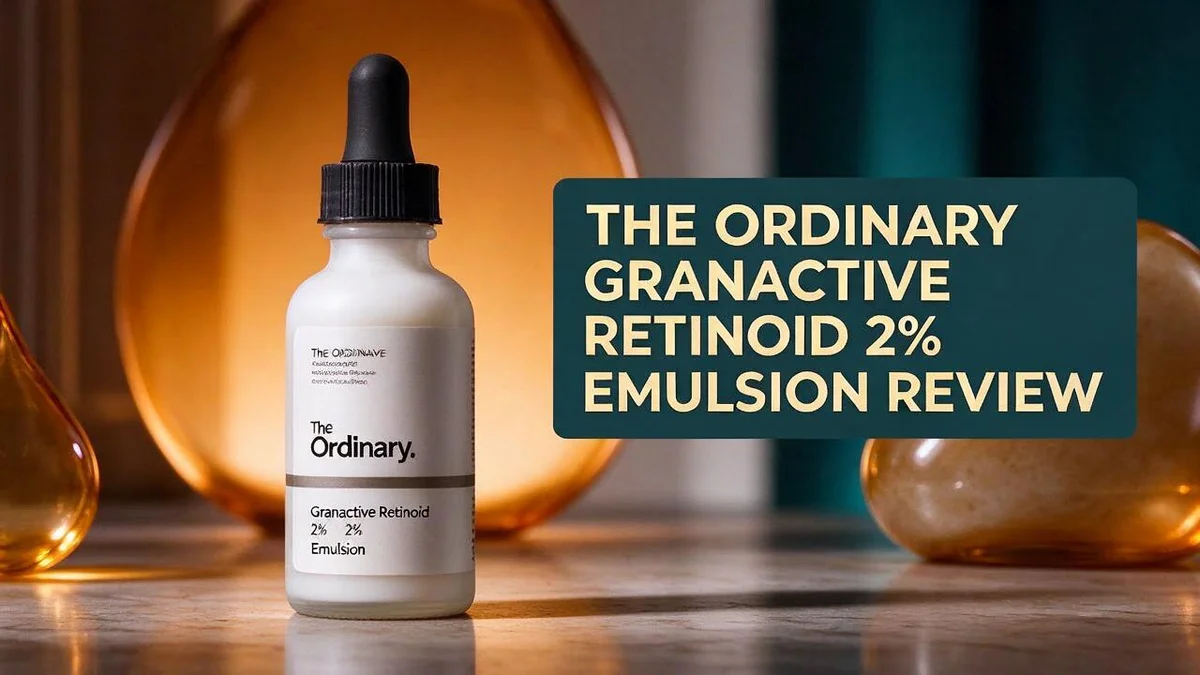
The Ordinary Granactive Retinoid 2% Emulsion Review
Are you looking for a retinoid that works hard but feels gentle on your skin? The Ordinary Granactive Retinoid 2% Emulsion could be the answer you need.
Many people love retinoids for smoother texture and brighter looking skin. However, they often cause dryness, redness, and peeling.
This emulsion takes a different path. It uses granactive retinoid, a newer form of vitamin A that many users find easier to handle.
Let us look at how it works, who should try it, and what to expect.
Whether you are new to retinoids or ready for an upgrade, this review will help you decide.
In a Nutshell
-
Key ingredient: This emulsion relies on hydroxypinacolone retinoate, a gentle form of vitamin A. Your skin slowly converts it into active retinoic acid, which many people with sensitive skin find calmer.
-
Gradual results: Visible changes usually appear after several weeks of steady use. Patience matters more than speed here, so keep your routine consistent and avoid adding other strong actives at the same time.
-
Evening routine fit: Most people apply it at night after cleansing and before a light moisturizer. Start with a small amount, about the size of a pea, and use it every other night for the first week.
-
Sun protection is essential: Retinoids can make skin more sensitive to sunlight. Wear a broad spectrum sunscreen every morning, because skipping this step can quickly undo your progress.
-
Best suited for: Beginners who want a gentle entry point. Experienced users can also benefit, especially when they need a softer option during dry or busy seasons.
-
Smart first step: Test a small area on your jawline or inner arm for several days before full use. This helps you spot any unwanted reaction early.
Key Ingredients
This emulsion does not deliver active retinoic acid right away. Instead, your skin converts the ingredient step by step. This slow conversion explains why the formula often feels calmer than classic retinoid options.
Squalane plays a helpful supporting role. It is a light oil that helps the skin hold water. It also softens rough patches that can appear early on.
Why does this matter? Retinoids often trigger dryness, flaking, and tightness. A hydrating base can ease those side effects. You can then stick with your routine for longer.
The texture feels light and smooth. The emulsion blends oil and water into a soft layer. It absorbs quickly and leaves little residue on the skin.
Read the full ingredient list before you start. Look for added fragrance or strong essential oils. These extras can irritate sensitive skin during the adjustment phase.
Pair this emulsion with care. Skip strong acids in the same routine. Stick with a gentle cleanser and a simple moisturizer. This approach protects your skin barrier.
Watch for early signs of irritation. Mild tingling can happen during the first week. Stop use if redness, burning, or swelling appears. Consult a dermatologist if discomfort lasts more than a few days.
Ingredient knowledge helps you set realistic expectations. Knowing how the formula works makes patience easier. You will understand why results take time.
Storage matters too. Retinoids can break down when exposed to heat and light. Keep the tube closed and store it in a cool spot. Fresh product keeps the formula active for longer.
Think of the ingredients as a team. Each part supports the others. The retinoid works on texture, while the emulsion base keeps comfort high.
Many people also ask whether the formula suits oily skin. The light texture often works well for combination skin. Oily types may still need careful layering.
Keep your expectations realistic. The ingredients support smoother skin over time, not overnight.
Texture and Application
Many readers ask how the emulsion feels once it touches the skin. Think of it as a soft, milky fluid that spreads with ease.
Less is more here. A small amount covers the whole face. Start with a dot about the size of a grain of rice, and add more only if needed.
Warm the product between your fingertips for a few seconds. This softens the texture and helps it glide over the skin. Pressing gently works better than rubbing hard.
Pat it in slowly. Dab the emulsion across the forehead, cheeks, and chin. Then press it into the skin with your palms until it sinks in.
Wait about one minute before adding anything else. This gives the layer time to settle. Your moisturizer will then sit on top without rolling off.
Pilling is a common concern. Some creams form tiny rolls when mixed with heavy products. This emulsion usually avoids that problem when you give it a short pause.
Makeup wearers may notice a smooth base the next morning. The finish looks soft rather than shiny. Many people find that foundation applies with less patchiness.
Oily skin often needs a lighter touch. Use the smallest amount and focus on dry patches only. Oily zones may need less product each night.
Dry skin needs a different approach. Apply a thin layer across the whole face. Then add a richer cream to the cheeks and around the mouth if tightness appears.
Seasonal changes matter too. Winter air can make the skin feel thirsty, so adjust the amount. Summer humidity may call for a lighter layer.
Track how your skin responds. Take a quick photo each week in the same light. Notice whether the surface feels calm or prickly after application.
Jot down notes in a simple journal. This habit shows patterns you might otherwise miss.
Skin Types and Suitability
Most skin types can try this emulsion, but results vary. Normal skin usually handles it with ease. Combination skin may need extra care on the cheeks while the forehead and nose adapt.
Mature skin often gains the most. Fine lines and uneven texture respond well to steady use over time. Patience matters here, since changes build slowly.
Sensitive skin needs a closer look. Reactive skin can flush easily, so start with two nights per week. Increase only when your face stays calm.
People with rosacea should speak with a dermatologist first. Retinoids can sting or worsen redness for some individuals. A professional can confirm if this emulsion fits your plan.
Acne prone skin sits in a unique spot. The emulsion may help clear clogged pores over time. However, active breakouts can get worse before they improve, so watch closely.
Deeper skin tones also deserve thoughtful attention. Retinoids can sometimes cause temporary darkening after irritation. Gentle use and daily sunscreen help protect your complexion.
Skin with eczema or a damaged barrier should wait. A compromised barrier cannot handle extra exfoliation. Repair your moisture levels first, then reconsider.
The skin around the eyes is thinner than the rest of the face. Many people find it reacts faster. Keep the emulsion away from the lash line for now.
Teens with clear skin may not need retinoids yet. Their skin often renews itself quickly without help. Adults in their twenties and thirties usually have more room to experiment.
Men with thicker skin may tolerate retinoids well. Shaving can add irritation, though. Avoid applying the emulsion right after a razor pass.
Hormonal changes can also affect how skin responds. Pregnant or breastfeeding people should avoid retinoids unless a doctor approves them. Always check with a medical professional when unsure.
Quick self test: Ask whether your skin often feels tight, itchy, or hot. If yes, consider a dermatologist visit first. Honest self assessment makes the biggest difference. If your skin handles other actives well, this emulsion may suit you.
Top 3 Alternatives
Differin Gel
Differin Gel uses adapalene, a gentle retinoid. It works on the skin surface and inside pores. Many people use it to reduce acne and clogged pores. Adapalene is also a common acne treatment found at pharmacies. Results often take several weeks, so patience matters. Start with a small amount at night. Dryness and peeling can happen early on. Use a gentle moisturizer and daily sunscreen to protect your skin.
La Roche-Posay Retinol B3
This serum pairs pure retinol with vitamin B3. It targets fine lines, uneven tone, and dullness. Niacinamide in the formula may help calm redness and support the skin barrier. The texture feels light and absorbs quickly. Many people with sensitive skin find it easier to tolerate than stronger options. Use it two or three nights each week at first. Then increase use as your skin adjusts. Always wear sunscreen during the day.
The Ordinary Retinal
Retinal sits one step closer to retinoic acid. That means it can work faster than standard retinol. This product uses a low 0.05% strength in a squalane base. It suits people who already know how their skin reacts to retinoids. Apply a few drops after cleansing and before moisturizer. Patch testing on the jaw first is a smart habit. Watch for dryness or irritation during the first few weeks.
Results and Effectiveness
Results with this emulsion usually appear slowly. Most people need several weeks before they notice a clear change. Patience matters more than speed here.
Weeks two to four often bring a smoother feel. Dull patches may look a bit brighter. These shifts are subtle, so take notes along the way.
Photos help more than memory. Take a picture in the same light each week. Use the same angle and skip filters. Side by side shots reveal changes that daily mirror checks can miss.
Set checkpoints at weeks four, eight, and twelve. Compare each one with your first photo. This simple habit keeps expectations clear and helps you stay motivated.
Fine lines and uneven tone need more time. Many users see clearer improvement around the twelve week mark. Dark spots often fade the slowest, so stay with the routine during that period.
Consistency drives most of the progress. Skipping nights resets the process. A steady routine gives the skin time to adjust and respond. Even two busy weeks can slow things down, so plan ahead.
Try to judge results by the whole face, not one small spot. Look at texture, tone, and how fine lines appear in natural daylight. Small gains add up over time.
Be honest about what the emulsion can do. It will not erase deep wrinkles or fix scarring overnight. Think of it as one step in a longer skin plan. Sunscreen and gentle cleansing support every result.
Keep a simple journal next to your photos. Write down how your skin feels each morning. Notes like “less rough” or “more even” make it easier to spot real trends.
Your starting point also shapes your results. Someone with mild sun damage may notice changes sooner than someone with deep lines. Compare your progress only with your own earlier photos.
Results will look different for everyone. Give the emulsion a fair test before you decide. A clear answer usually comes after about three months of steady use.
Pros and Cons
Pros
– Often feels gentler than classic retinoids for first-time users.
– The formula is simple, so it fits into a short nightly routine.
– It works as one step instead of a long layered routine.
– It is easy to find at most major online and in-store shops.
Cons
– Early use may bring mild dryness or light flaking.
– Daily sunscreen becomes a must while using it.
– Pregnant or nursing people should ask a doctor first.
– It needs careful timing with other strong actives like acids.
Who Should Buy It
People who feel curious about retinoids but unsure where to begin may find this emulsion a useful starting point. It opens the door to this skincare family.
Oily skin can also welcome the texture. An emulsion feels lighter than a rich cream, so it may sit comfortably under makeup for many people.
People who wear makeup every day often need products that layer well. This emulsion can serve as a simple base without leaving a heavy film.
Outdoor workers and frequent travelers face more wind and sun exposure. Their skin often reacts to climate, so a steady routine can help them notice gradual shifts.
Readers who prefer lightweight products may enjoy the simple feel. Those who dislike sticky or greasy textures often feel more comfortable with an emulsion than with a heavy balm.
Shoppers who like to read labels should check the ingredient list first. Knowing each active helps people judge their own reactions, and that habit builds confidence over time.
Shoppers who shave daily should think about timing. Fresh razor nicks can sting when a retinoid touches them, so waiting a day after shaving feels wise.
People who live in dry climates may notice more tightness. Adding a plain moisturizer after the emulsion can help keep the skin comfortable.
Anyone who enjoys exfoliating tools or scrubs may need to scale back. Using both at once can overwhelm the skin, so rotating them on different nights works better.
Skincare beginners who feel overwhelmed can benefit from one clear goal. Focusing on a single product helps them learn how their skin responds, and that learning builds confidence.
People who already use several strong treatments may want to pause before adding another. Their skin may need a calmer period first.
In short, this emulsion suits curious beginners and busy routines alike. Readers who match one of these profiles should still review their skin history first.
A quick check can prevent frustration later. Writing down past reactions to other products gives a clearer picture.
Final Verdict
Our final verdict is simple. This emulsion makes a sensible choice for readers who want a calm start with retinoids. The routine stays short, and the label stays easy to read.
Run a patch test before your first full application. Dab a small amount on the jaw line each night for three nights. Watch for redness that lasts longer than a day. If irritation appears, pause and reassess.
Think about your daily habits too. Some people want a quick evening step they can repeat without thinking. This emulsion suits that goal well, especially when the rest of the routine stays simple.
Texture matters as much as performance. Some people enjoy a light, fast absorbing feel under makeup. Others prefer a richer cream for cold winter nights. Know your preference before you commit.
Skin type shapes the final call. Dry patches may need an extra moisturizer layer. Sensitive skin may need to start with fewer nights each week. Adjust the schedule instead of pushing through discomfort.
Compare this emulsion with your current products before you buy. If you already rely on several strong treatments, adding another active may overwhelm your skin. Simplify first, then decide.
Pick a clear end date for your trial. A three month window gives you enough time to spot patterns. After that, decide whether to continue, pause, or switch to another option.
Your cleanser matters too. A harsh wash can make dryness feel worse. A gentle cleanser helps the emulsion sit comfortably on your skin.
Many readers find the emulsion works best as a steady habit. Stay patient, track your progress, and let the process unfold. Our final word is this: the emulsion earns a spot for beginners who want a calm, simple retinoid. Use it with care, watch your skin closely, and adjust when needed. Your final choice should feel calm, not rushed. Take your time and trust what your skin shows you.
Frequently Asked Questions
Can I use it in the morning?
Most people use it at night. Retinoids can break down in daylight, and sunlight may irritate newly treated skin. Save your morning routine for sunscreen and lighter products.
Can I pair it with vitamin C?
Yes, but split the timing. Apply your vitamin C serum in the morning and the emulsion at night. This keeps each product working at its best.
How often should I start?
Start with two or three nights a week. Add another night each week if your skin feels calm. A slow pace helps your skin adjust.
Is it safe near the eyes and lips?
Keep it away from the eyes, lips, and nostrils. Apply a thin layer to the rest of your face. If stinging happens near sensitive areas, rinse with cool water right away.
What if I see no change after twelve weeks?
Take fresh photos and speak with a dermatologist. A skin professional can check whether the product fits your goals. They can also suggest other options if needed.

Hello, I’m Ava Davis, the founder and curator of Lovely Beauty. As a passionate advocate for self-care and beauty, I created Lovely Beauty as a haven for like-minded individuals to explore, learn, and grow. On Lovely Beauty, you’ll find a treasure trove of beauty tips, tricks, and inspiration, all designed to help you cultivate a more loving and compassionate relationship with yourself.