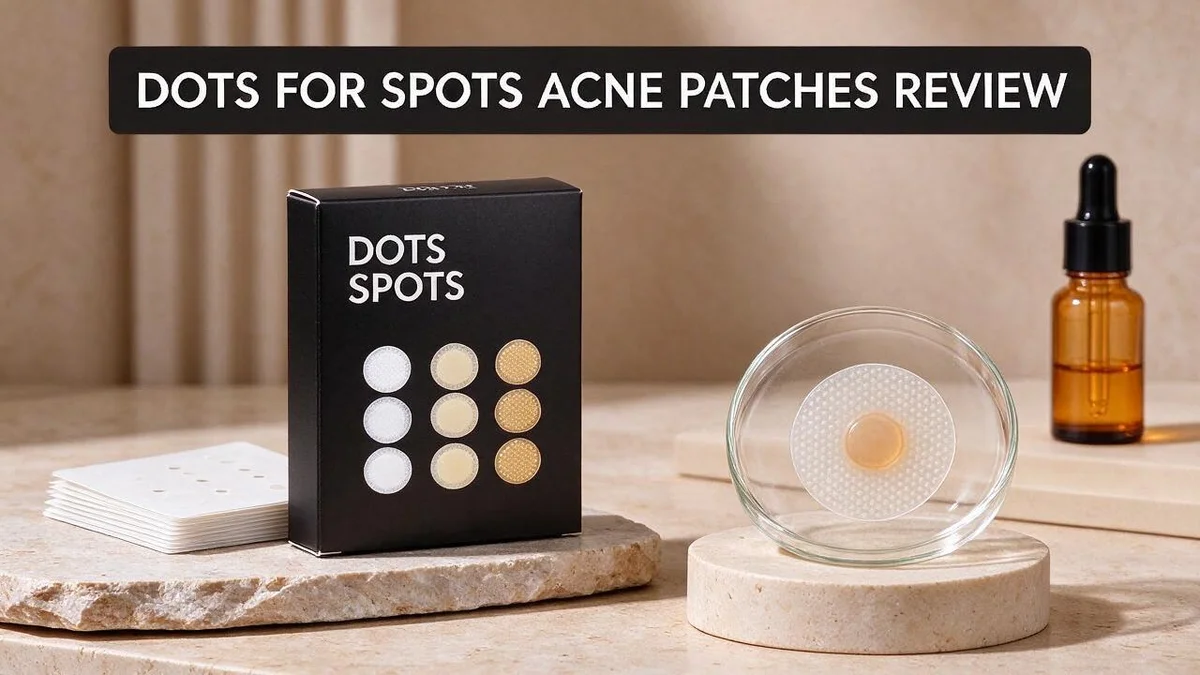
Dots for Spots Acne Patches Review: Results and Who They Suit
Pimples can show up at the worst times. A big breakfast meeting. A first date. A family photo. Many people reach for a quick fix that actually works, and that is where acne patches come in.
Dots for Spots acne patches have become a popular pick for people who want a simple way to deal with breakouts. They use small, discreet dots that sit right on top of a blemish. Most people can wear them under makeup or while they sleep.
In this review, we take a close look at how these patches feel, how they perform, and who they suit best. You will also learn what to expect from the ingredients and wear time. By the end, you will know if this brand fits your skin care routine.
Let’s see if these little dots live up to the hype.
In a Nutshell
-
Works like a small shield: Each patch covers one blemish and helps keep the area protected. Touching or picking at the spot becomes much harder, so the skin can heal with less irritation.
-
Absorbs fluid from the spot: The patch draws moisture out of the blemish. Many people notice the bump looks flatter and calmer over the next day or two.
-
Easy to wear under makeup: The thin dots blend in well with most skin tones. Many people wear them during the day without drawing much attention, which helps on busy days.
-
Best for ready spots: These patches often work best on pimples that have formed a visible head. Flat or deep bumps may not respond as well, so it helps to check the spot first.
-
Clean skin helps them stick: Wash and dry the area before applying a patch. Oil, lotion, or sweat can make the dot slide off early, so a clean surface matters.
-
Not a full treatment plan: These patches work on single spots only. For painful, deep, or widespread breakouts, a skin doctor can offer advice that fits your needs better.
Key Ingredients
Ingredients matter more than many people expect. A patch works best when its materials suit your skin. Reading the list helps you know what stays on your face for hours.
The main base is usually a hydrocolloid material. This soft, gel-like layer gives the patch its shape. It also keeps the patch comfortable. Most people barely feel it once it settles in place.
Some Dots for Spots versions may also include active ingredients. Salicylic acid is one that acne fighters often look for. It may help clear oil and dead skin around the pore. Results still vary from person to person.
Ingredient lists can change between product versions. Always check the packaging for the latest details. This small habit prevents surprises later on.
If your skin is sensitive, simple formulas often work best. Fewer added extras usually mean fewer chances for irritation. Watch out for fragrance and alcohol, since these can sting on broken skin.
Test a small patch on your arm first. Wait a day and look for redness, itching, or swelling. If nothing happens, you can move on to your face with more confidence.
Strong actives can also dry out nearby skin. Keep the rest of your routine gentle while using the patches. A light moisturizer on the surrounding area can help. Skip harsh scrubs on the same spot.
Think of ingredients as the foundation of your results. The base, the active, and the extras all play a role. Knowing what each one does helps you use the patches wisely.
Texture and Application
When you open the package, the patch feels soft and cool to the touch. One side is slightly tacky, so it grabs onto the skin right away. Many people also find it thinner than they expected.
Press from the center to the edges. Use a clean fingertip to smooth the patch outward. This pushes out tiny air pockets and helps the edges seal down.
Application takes only a few seconds, even for beginners. You do not need to rub or stretch the skin. Gentle pressure works far better than force.
Watch for lifting corners. Edges can curl up when skin moves a lot, like while smiling or talking. If one lifts, press it back down gently.
The surface may change as the hours pass. It can look cloudy or slightly puffy after several hours. This sign shows the patch is doing its job, so leave it alone.
Try not to touch the patch during the first hour. Oil and dirt from your hands can weaken the hold and lead to peeling too early.
Sweat and humid weather may test the hold. Choose a patch that stays flat in heat, and avoid intense workouts right after applying it.
Products for your face need a little planning too. Apply the patch after your moisturizer has fully dried. Thick creams can push the edges up.
Taking the patch off needs the same care. Peel slowly from one edge and keep the nearby skin flat. Rushing this step can irritate the area.
Comfort matters most for overnight wear. A soft, flexible patch lets you sleep without feeling it on your pillow. Many people find the feel light enough to forget about.
Overall, the texture feels light and easy to manage. Your comfort will shape how often you want to use it.
Skin Types and Suitability
Almost anyone with an occasional breakout can try these patches. Your skin type still shapes how well they stay put and how comfortable they feel.
Oily skin often suits these patches well. Extra shine on the surface can loosen the edges faster, so check the patch often and gently blot the area before you apply it. Oily skin also makes new spots show up quickly.
Dry skin needs a little extra support. Flaky or tight skin may lift near the edges, so apply a light moisturizer around the spot but keep it away from the patch. Dry skin also heals slowly, so keep nearby skin soft.
Combination skin is very common. An oily forehead and dry cheeks may need different care, so place patches on the calmer areas whenever you can.
Sensitive skin deserves extra attention. Redness, itching, or stinging can appear under the patch. Pull it off right away and rinse with cool water if burning starts.
Teens often get breakouts across the chin and forehead. Since new spots keep forming, many people use patches on one spot at a time and keep a regular routine for the rest.
Mature skin is thinner and loses moisture faster. Use a gentle touch when you remove the patch, and avoid pulling on delicate areas around the mouth or eyes.
Uneven or bumpy skin can make edges lift sooner. Choose a flatter spot near the blemish when you can, so the patch sits more evenly.
Skin tone changes how the healing looks, not how the patch works. Darker skin may show dark marks after a pimple heals, so use a gentle sunscreen once the spot starts to close.
Overall, your skin type tells you a lot. Think about how your skin behaves each day, then decide whether these patches fit your routine.
Top 3 Alternatives
Hydrocolloid patches are a popular way to care for single pimples. These three options each take a slightly different approach.
Hero Mighty Patch
The Hero Mighty Patch is a simple option for people who want fast help with a single spot. It uses hydrocolloid material that soaks up fluid from the blemish. Many people wear it overnight, so it fits easily into a bedtime routine. The thin patch also stops you from picking at the pimple, which can help limit redness and irritation.
COSRX Pimple Patch
The COSRX Pimple Patch is thin and easy to wear under makeup. It also uses hydrocolloid to pull fluid out of pimples that are already coming to the surface. Many users like that the patch stays in place for hours. It works best on whiteheads and small red bumps that you can clearly see.
Peace Out Acne Patch
The Peace Out Acne Patch is a gentle pick for sensitive skin. It forms a protective barrier over the blemish. This barrier keeps dirt, hands, and bacteria away from the spot. It suits people who want a soft, comfortable patch they can wear all day without much fuss.
Results and Effectiveness
Results with these patches often appear in stages. You may notice a spot look flatter or less puffy after the first day. Bigger changes usually take a few days of steady use. Keep your expectations realistic from the start.
The stage of the spot matters a lot. Patches tend to work best on small spots that have already come to a head. Deep, painful bumps under the skin may need more time or a different plan.
Overnight wear often shows the clearest difference. Many people wear a patch while sleeping and check the spot in the morning. The change looks more obvious after a full night of rest.
Track your progress with simple photos. Take a picture each morning in the same light. Note the date on each photo as well. This makes it easier to spot small shifts that memory might miss.
Expect calmer redness, not instant perfection. Many people see the bump settle before the color fades. Marks left behind can take longer to even out. Patience matters more than speed here.
Hands off the spot helps the healing show. Picking at the area can reopen the skin and slow progress. Let the patch do its job while the spot heals.
Results can vary from person to person. Stress, sleep, and daily habits all play a role in how skin heals. Some people heal faster than others. A patch cannot control those factors for you.
Consistency beats one long session. Replacing the patch as directed keeps the spot covered. Set a daily reminder so you never miss a change. Skipping days can slow the visible progress you hope to see.
Know when to call a professional. If a spot grows, turns very painful, or does not improve after several weeks, see a dermatologist. Patches support healing but do not replace medical advice.
Wear Comfort and Discretion
Many people worry that a patch will draw attention at work or school. The good news is that these patches blend in better than you might expect.
The thin, clear design sits close to the skin. Most of the face looks normal, even in bright light.
Under foundation or tinted moisturizer, the patch often stays hidden. A light layer of concealer over the edges can help it disappear completely.
Some people worry about the patch showing in photos. In most shots, the surface looks flat and calm.
Comfort matters too during long days. The patch does not pull at the skin, so you can forget it is there.
Many wearers say the patch stays put against a pillow. Side sleepers often find it stays flat all night.
Pick the dot that matches the spot. A smaller dot hides better than a large one, so the spot should sit in the center.
Hair and clothing can also rub against the area. Tuck hair behind your ears and wear soft collars when you can.
Glasses and face masks may press on the patch. Adjust them gently instead of pulling, since friction can loosen the edges.
Shyness about the patch fades quickly. Most people stop noticing it after the first day and focus on their routine.
Discretion is a big reason many people stick with patches. They feel free to go to the gym, meet friends, or attend a family event without hiding behind heavy coverage.
Public places feel less stressful when the patch stays out of sight. Many people report feeling more relaxed in meetings, classes, and social plans.
Keep a small mirror in your bag. A quick check before you leave helps you feel confident about how you look.
Plan your day around comfort, not around the patch. A calm mindset often makes the biggest difference in how you feel.
Pros and Cons
Pros
- Quick to apply with clean hands in seconds
- Easy to carry in a bag or pocket for daily use
- Works without a long skincare routine
- Lets you cover one spot without touching the area
- Simple steps make it easy to stay consistent
Cons
- They do not treat deep or painful cysts
- They do not stop new breakouts from forming
- Each patch covers only one spot at a time
- Several spots mean changing many patches each day
Who Should Buy It
Who gets the most from these patches? People who get a single spot now and then tend to like them most. A patch fits a simple, low effort routine.
Teens and young adults often reach for them first. Hormone shifts can bring spots during school, sports, or late nights out. A small patch slips into a pocket or bag for quick use.
Busy parents may find them useful too. Many parents juggle work, kids, and errands. They want a fast fix that needs no mirror time or long steps.
People with a big event coming up can plan ahead. A wedding, job interview, or photo day creates pressure. Applying a patch the night before gives you a clear place to start.
Anyone who dislikes sticky creams may prefer this option. Some people hate the feel of gels or greasy ointments on their face. A thin patch stays light and avoids that heavy feeling.
Travelers can pack them without worry. Liquids can leak or face strict limits at the airport. A small sheet of patches takes almost no room in a suitcase.
Those who want to test a new routine should start here. You can see how your skin responds before committing to a full plan. Short trials help you decide if a patch fits your daily life.
Some people should look elsewhere. If you break out across your jawline and chest every month, you need a wider plan. A dermatologist can suggest options that work beyond a single spot.
Consistency matters more than speed. Using a patch for a few nights can make a real difference. Pair it with clean pillowcases and a gentle wash to support your progress.
Men with occasional breakouts can use them too. The patch works the same way on any face. Gentle daily cleansing before applying helps the patch grip well.
Your daily habits decide if the patch fits. Think about how often you get spots and how much time you have. If spots appear rarely and clear quickly, these patches may suit you well.
Final Verdict
Dots for Spots acne patches work best for one spot at a time. They suit people who want quick help without a full routine. Think of them as a handy tool for last-minute blemishes.
Here is the bottom line. These patches shine when a single pimple shows up before a plan or event. They do not replace a long-term plan for frequent breakouts.
Ask yourself what you need most. If you want fast help for one blemish, the patch earns a spot in your kit. If your skin breaks out every week, you may need a skin expert’s advice.
Consider your daily habits too. A patch stored in your wallet or makeup bag only helps if you remember to use it. Keep a small pack nearby so you can act fast when a spot appears overnight.
Set fair expectations for results. Many users notice the spot shrinking within a day or two. Larger or stubborn spots may take longer, so patience matters.
Clean skin gives the patch the best chance to stick and perform. Wash your face gently, pat it dry, and apply the patch before the spot gets worse.
Some readers may want a different option for stubborn breakouts. A dermatologist can suggest prescription treatments that work beyond the surface. That step can save time and frustration.
Tracking helps too. Note when spots appear and what happened that week. Patterns often point to triggers like stress, poor sleep, or changes in diet. Spotting those patterns makes future breakouts easier to manage.
Our overall view is simple. These patches make a useful, discreet helper for occasional blemishes. They fit well into a routine that already includes gentle cleansing and daily sun protection.
Final thought: choose these patches for quick, single-spot help. Pair them with a steady skincare habit, and your skin will thank you over time.
Frequently Asked Questions
Can I wear a patch overnight?
Yes, many people wear patches while they sleep. Keep it on until it feels loose or looks full. Check the spot each morning before you start your day. Change your pillowcase often so the area stays fresh.
How do I know when to remove the patch?
Check the patch after several hours of wear. If it looks full or feels loose, you can take it off. Wash your hands before you touch the area. Never peel a patch off while it still feels stuck, since this can irritate the skin.
Can I reuse a patch if it falls off?
No, a patch that falls off may not stick well again. Use a fresh patch on a clean, dry spot instead. Keep a few extra patches in your bag so you always have a backup.
Is a patch safe for sensitive skin?
A small test helps. Place one patch on a small area and wait a full day. If you notice redness or itching, stop using it and rinse the area gently with water. Talk to a doctor if the irritation lasts longer than a few days.
Can I use patches with other acne products?
Many people use a gentle cleanser alongside them. Avoid strong creams or scrubs on the same spot. Ask a doctor or pharmacist before you combine patches with prescription treatments.

Hello, I’m Ava Davis, the founder and curator of Lovely Beauty. As a passionate advocate for self-care and beauty, I created Lovely Beauty as a haven for like-minded individuals to explore, learn, and grow. On Lovely Beauty, you’ll find a treasure trove of beauty tips, tricks, and inspiration, all designed to help you cultivate a more loving and compassionate relationship with yourself.